
In France, 1,000,000 charging points for electric vehicles are listed, but what does this figure actually hide? Let’s take a look at the different charging options available in France, both for slow and fast charging.
Electric vehicles are growing in popularity, with sales now approaching nearly 15% of new vehicle registrations. The vast majority of users charge at home every day, but during long journeys it is necessary to plug in elsewhere.
In this file, we will therefore take stock of the available charging solutions outside the home, with fast charging on the one hand and slow charging on the other. We will present some charging networks and their characteristics, before talking about the number of terminals open to the public in France and Europe. Without further ado, let’s take stock of the available charging solutions.
Fast charging, only a roaming solution?
Most electric vehicles have two charging modes: fast (DC) and slow (AC). They differ in their operation and in the maximum accepted load capacity.
AC loads are of power between 2 and 11 kW for most vehicles, some nowadays go up to 22 kW (in particular Renault Zoé or Mégane e-tech). Specifically, it is this charging mode that is used at home (with a Type 2 connection on the car side), and allows you to recover more or less most of your battery in one night of charging on a Wallbox. However, on a household outlet, you should count on 20 to 40 hours of charging to make a full charge.
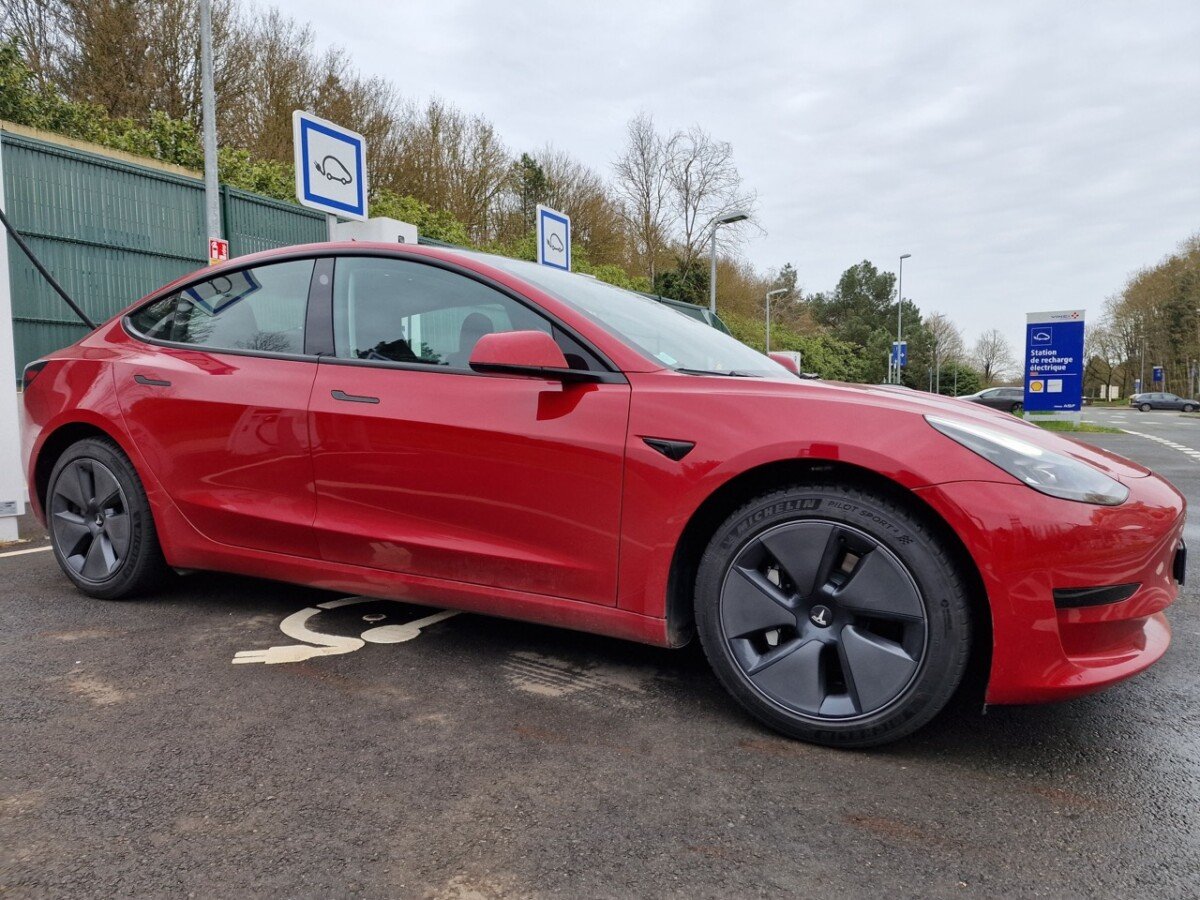
Fast charging is done through a CCS Combo port (or CHAdeMo for some cars) and provides power up to more than 250 kW for fast charging champions. With a capacity that is twenty times greater than that of alternating current at home, fast charging is therefore possible at dedicated stations deployed by charging operators on national territory.
Which fast charging is mainly intended for those who travel long distances beyond the range of the vehicle, but can be useful for EV owners who do not have a charging solution at home or at work. Indeed, occasionally using fast charging to rev up enough to drive an entire week in about thirty minutes is undoubtedly acceptable for someone who doesn’t have a daily charge point.
Of course, the cost must be taken into account, sincefast charging now has to be around 0.70 euros per kWh on the different networks At home 0.17 euros. This is more than four times as expensive, but it is the price to be paid for the speed and availability of terminals. There are more and more of these terminals and networks, but is this always a good thing for the end customer?
Multiplying charging networks, for better or for worse
We’ve already made an inventory of the veritable jungle of charging cards that ultimately don’t make life much easier for electromobilists. For many indeed it is necessary to have several badges to ensure that you can recharge on the various available terminals.
However, this variety is good as customers now have more choice than they did a few months ago. This competition between charging networks allows the driver to choose the most suitable network based on their requirements, especially for fast charging needs.
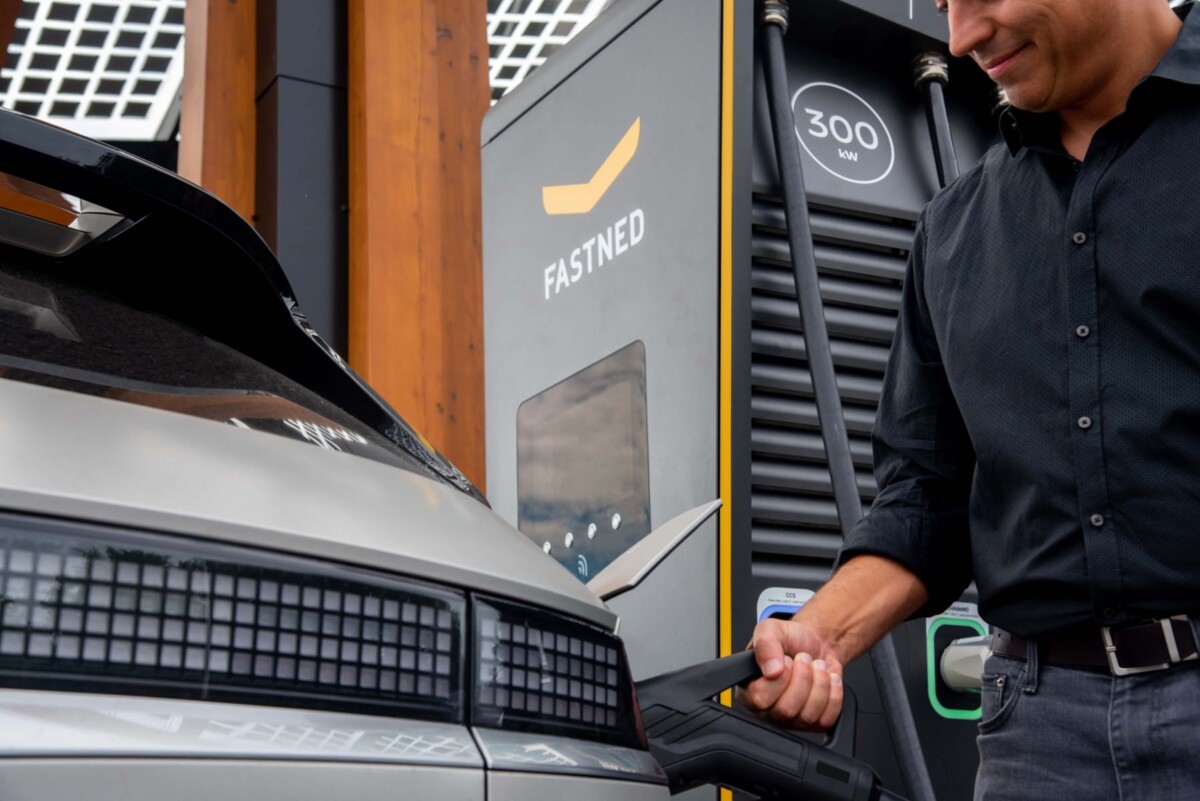
For example, we can mention Ionity or also Fastned, which selects highway areas for the vast majority of its charging stations, making it possible to no need to make a detour to load. Similarly, motorway companies have put out tenders so that most of their areas are equipped with fast charging, so that everyone can charge without restrictions and without leaving the motorway.
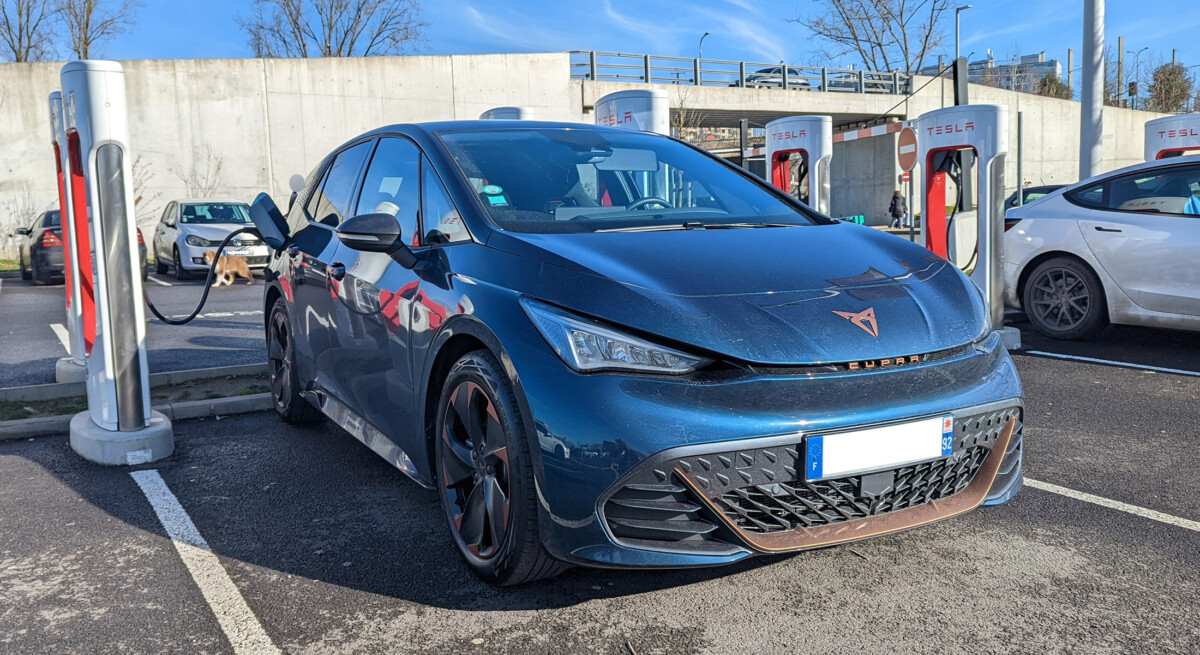
Tesla is a bit of an exception to the competition, as the vast majority of its Superchargers are located along highways. This has the advantage of allowing locals to load quickly without having to use toll roads, but if you’re crossing France for a holiday it’s clear that the locations are rarely ideal.
At the regional level, too, we note an inequality in terms of the available charging points (both fast charging and slow charging), which means that not everyone is on an equal footing.
Nearly 70,000 charging stations open to the public in France, but more than a million stations available
The latest Avere-France barometer for September 2022 identifies nearly 70,000 charging points open to the public (69,428 exactly on August 31, 2022). In the last 12 months alone, this figure has increased by 50%, indicating a rapid acceleration of the layout of the terminals In France.
Nevertheless, if the The national average is 103 charging points per 100,000 inhabitants, some regions are much worse off than others in terms of their electric vehicle charging capabilities. Besides Corsica with only 400 charging points, the Centre-Val de Loire region is the least served region of the metropolis with 2,781 charging points spread over 1,301 stations.
If we take into account the population of each region, in terms of density of charging points, the region Pays de la Loire with 86 charging points per 100,000 inhabitants is the most backward in the metropolis. Rather, the region Provence-Alpes-Côte d’Azur and its 116 charging points per 100,000 inhabitants stands as an example.
In concrete terms, this means, in addition to regional differences, that it will not be guaranteed that a charging point will be available, depending on the periods and places where you are. Some terminals counted in these 70,000 available charging points are also difficult to accessor even inaccessible at certain times (particularly in car parks).
The current distribution of charge points by location is now as follows: 37% are in car parks, 32% are owned by businesses, 27% are on the road, 3% are owned by businesses and 1% belong to another unspecified category.
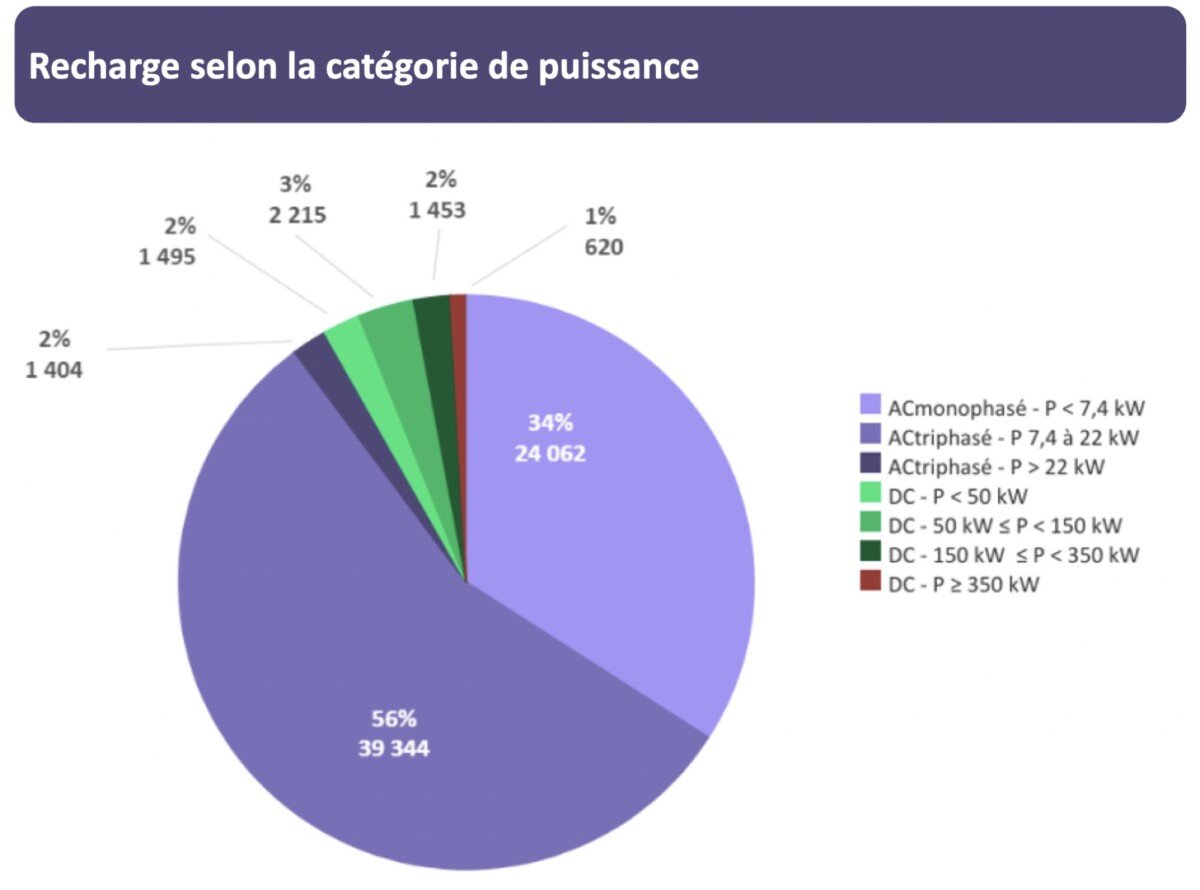
Of the 70,000 available charging points the vast majority are for slow AC charging (92% of the total). Fast charging stations 150 kW or more represent only 3% of the available charging points, ie only 2,073 pieces. The remaining 5% are fast charging stations with a capacity strictly below 150 kW.
Charging: It’s home
As we have seen above, France has an average of 103 charging points per 100,000 inhabitants. Reduced to estimates of the number of 100% electric vehicles in circulation (around 600,000 by mid-2022), this gives 8.6 100% electric vehicles per charging station for France. We could then imagine that it would be difficult, if not impossible, to charge for so many cars with so few terminals, but then we forget the most important way of charging: at home.
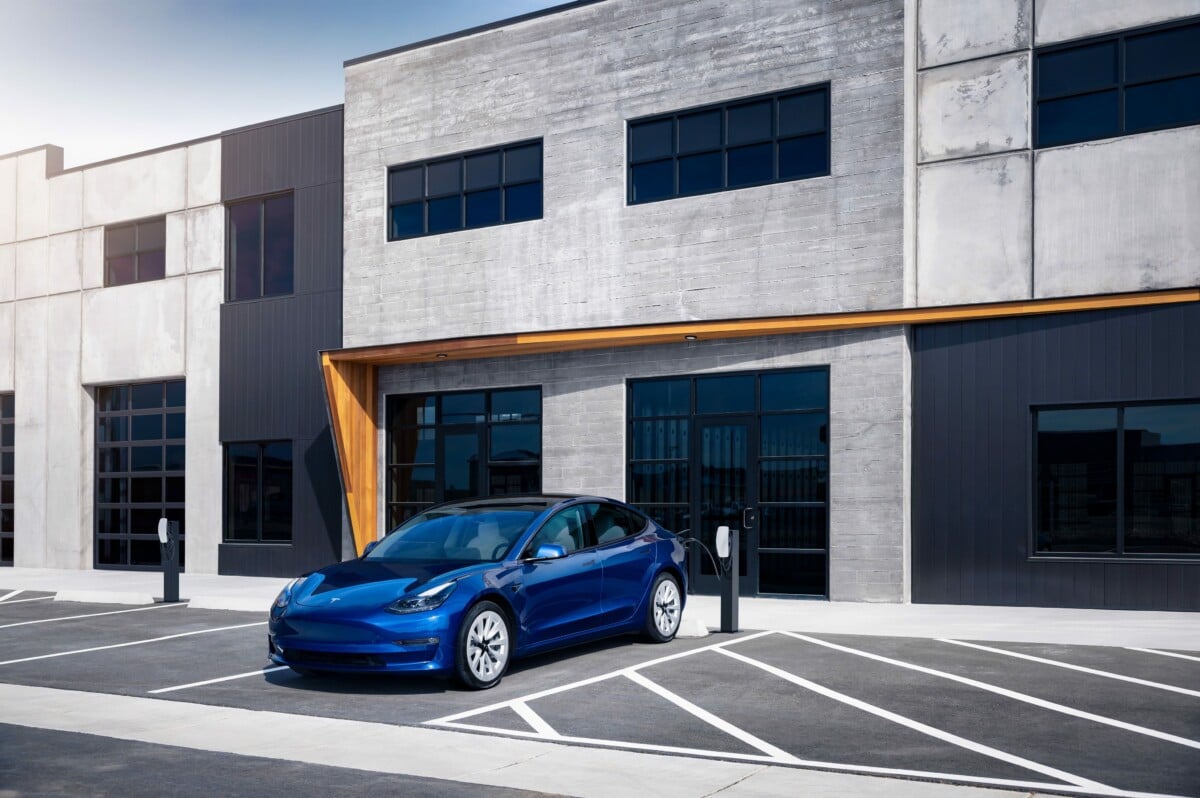
Indeed, Enedis recently communicated about the numbers related to charging they have, and the finding is clear: 89% of electric vehicle users charge at home. In addition, although there are only 70,000 charging points available and open to the public, the vast majority of charging points in France are private, as by April 2022, more than one million charging points have been identified by Enedis. Less than 7% of charging points in France were then open to the public. In other words, more than 93% of charging points are located on private landowned by individuals or companies.
Conclusion
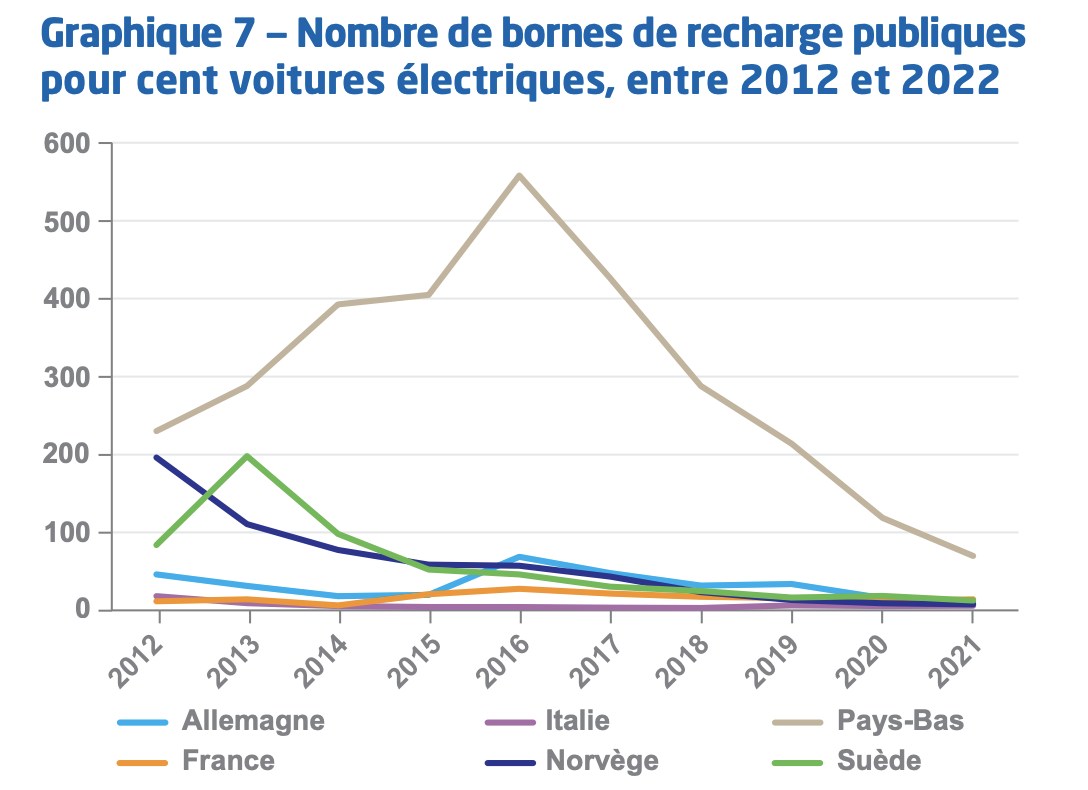
The number of electric vehicles in circulation continues to increase despite a car market that has been at half-mast for months, and as the Avere barometer shows, the installation of charging stations is not weakening. The trend is accelerating in both Europe and France, although differences remain. In fact, The Netherlands, France and Germany now have two thirds of the terminals available in the Europe of 27.
France Strategy specifies in its November 2022 report “ that there are about 8 public charging points for 100 electric cars in France, compared to 8 in Norway, 7 in Germany and up to 69 in the Netherlands as shown in the graph below.
The increase in the number of electric vehicles to be charged raises certain questions, in particular about the capacity of the existing grids to cope with the extra consumption, or about the availability of charging stations during long journeys. Moving on, our guide especially for newcomers to the world of electric cars is here to help you see things more clearly, before you possibly venture into clean mobility.

Is the electric car greenwashing or is it really a viable solution to reduce CO2 emissions? In this dossier we discuss the various environmental impacts of the electric car throughout the…
read more

To follow us, we invite you to download our Android and iOS application. You can read our articles and files and watch our latest YouTube videos.
Commentaires
Enregistrer un commentaire