
What do the American Tesla and the Chinese Nio have in common besides electric cars? Their ability to build virtual power plants, to become energy suppliers. We explain how.
Article updated August 29 : In Japan, Tesla is installing a virtual power plant in more than 300 different homes. This is even more interesting than in the United States, as Tesla in Japan makes its Powerwall battery available for free, through a local company, which bills the owners of this “solar battery” for each kWh consumed. No expensive investments required for the consumer.
Tesla plans to expand this virtual power plant to 600 users by the end of 2023. After 2024, the American company wants to implement this system in the Okinawa prefecture. The video below, translated into English, presents the project.
沖縄 島 に に に に 300 台 設置 さ れ れ た た の の の の の。 再生 可能 促進 促進 促進 と の 安定 供給 に に 貢献 い ます。。。。 。https: //t.co/82xbypwkjq pic.twitter.com/BkaJuOSxd4
—Tesla Japan (@teslamotorsjp) August 27, 2022
Original article from August 24 : Do you know what a virtual power plant is (virtual power plant in English) ? It is the future, or even the present if we are to believe the projects of Tesla and Nio. Basically, the goal is to create a “virtual” electrical network thanks to electricity storage products mainly found in private homes. For Tesla, these are the Powerwall batteries installed in private homes that are charged with solar panels, and for Nio, these are the battery exchange stations (swap station) present in Norway and China that integrate numerous batteries.
You are paid to send power to the grid
So the idea is to let all these batteries send energy to the grid when it needs it. Tesla already demonstrated this this summer by partnering with PG&E and SCE, California’s two largest electricity suppliers. In July, the latter asked the manufacturer to send energy due to lack of production and high consumption due to the use of air conditioners. Elon Musk’s company then offered its customers a Powerwall battery to discharge by sending electricity to the grid, for a fee ($2 per kWh sent).
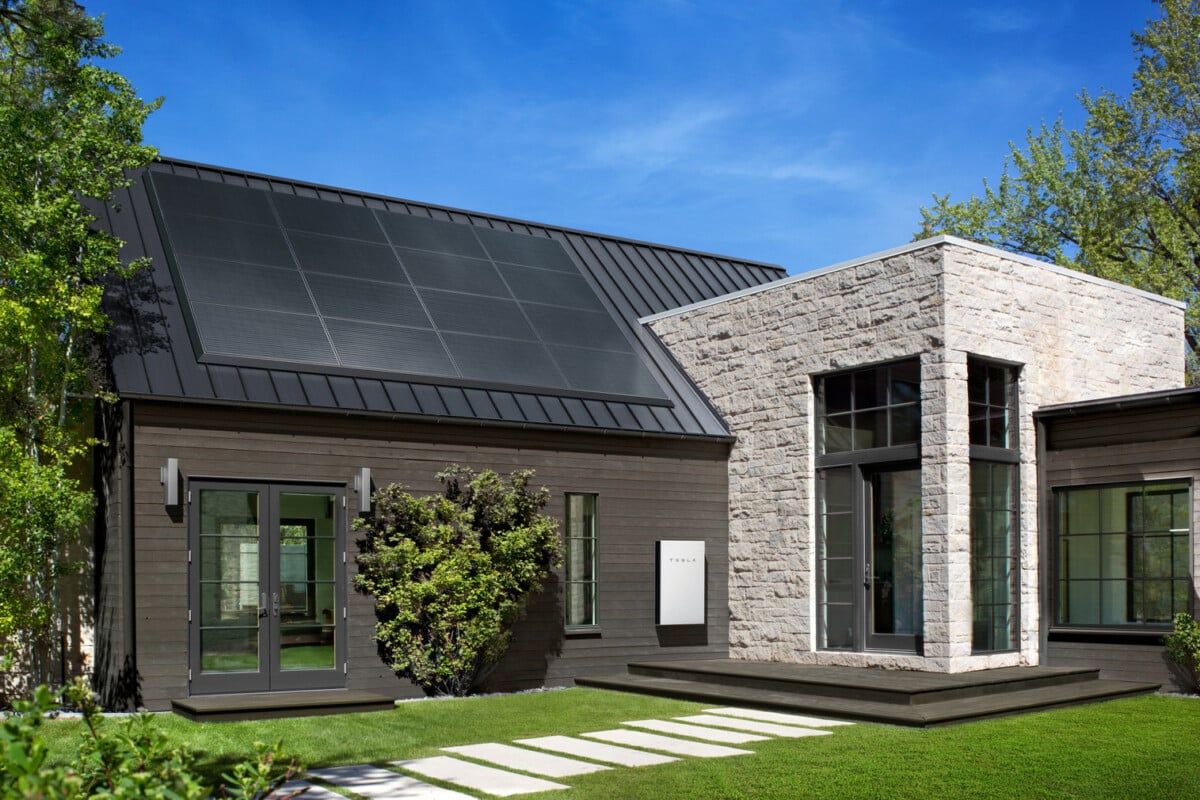
At peak, about 18,000 kW (18 MW) of electricity was delivered to the grid in real time by the Tesla batteries. In other words, it is the average power of a wind farm in France. It should be noted that this energy has since been of renewable origin the vast majority of owners of a Tesla Powerwall have solar panels or solar panels that feed the battery. In addition, since last year, Tesla has prevented the purchase of a Powerwall without its Solar Roof solar tiles.
In Texas, Tesla wants to become an electricity supplier
In Texas, Tesla wants to go even further and be recognized as an energy supplier. The goal is the same as in California, which is to use its customers’ Powerwall batteries to send electricity to the grid. But unlike on the West Coast, Tesla wants to be recognized as a true energy supplier, not just a producer. What does that mean in practice Texans can sign an electricity contract with Tesla.
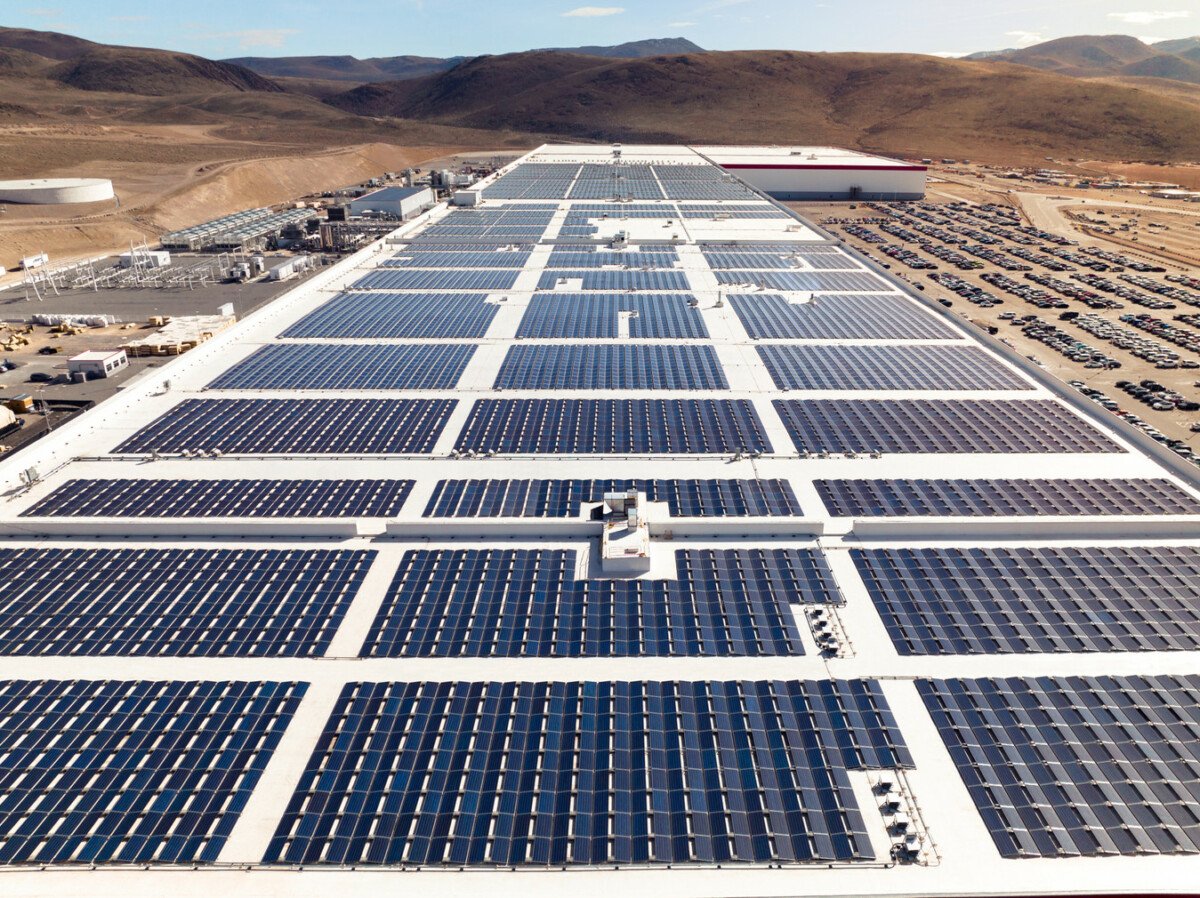
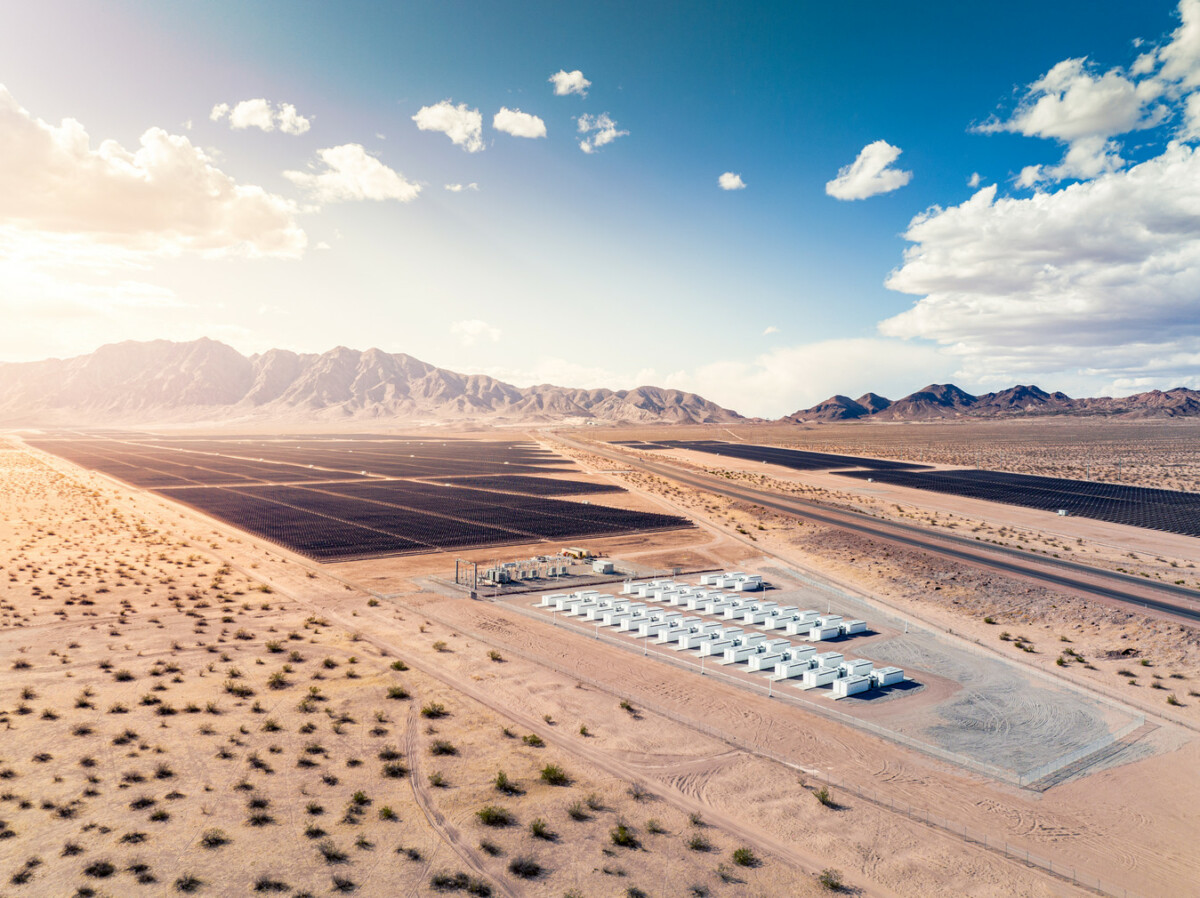
The US company does not intend to rely solely on the “small” batteries of its individual customers. He can also count on his gigantic batteries, the Megapacks. Tesla plans to install 250 MW of capacity near its Gigafactory in Austin to connect it to the power grid.
Nio uses its swap stations as a virtual powerhouse
China’s Nio also plans to play a role in virtual power plants. It must be said that with almost 1,000 Power Swaps, each consisting of 13 electric car batteries with a capacity ranging from 70 to 100 kWh, the Chinese manufacturer has a large energy reserve of at least 70,000 kWh (or 70 MWh). These stations allow the brand’s customers to exchange their empty battery for a full one in less than five minutes. A great alternative to fast charging and Tesla Superchargers.
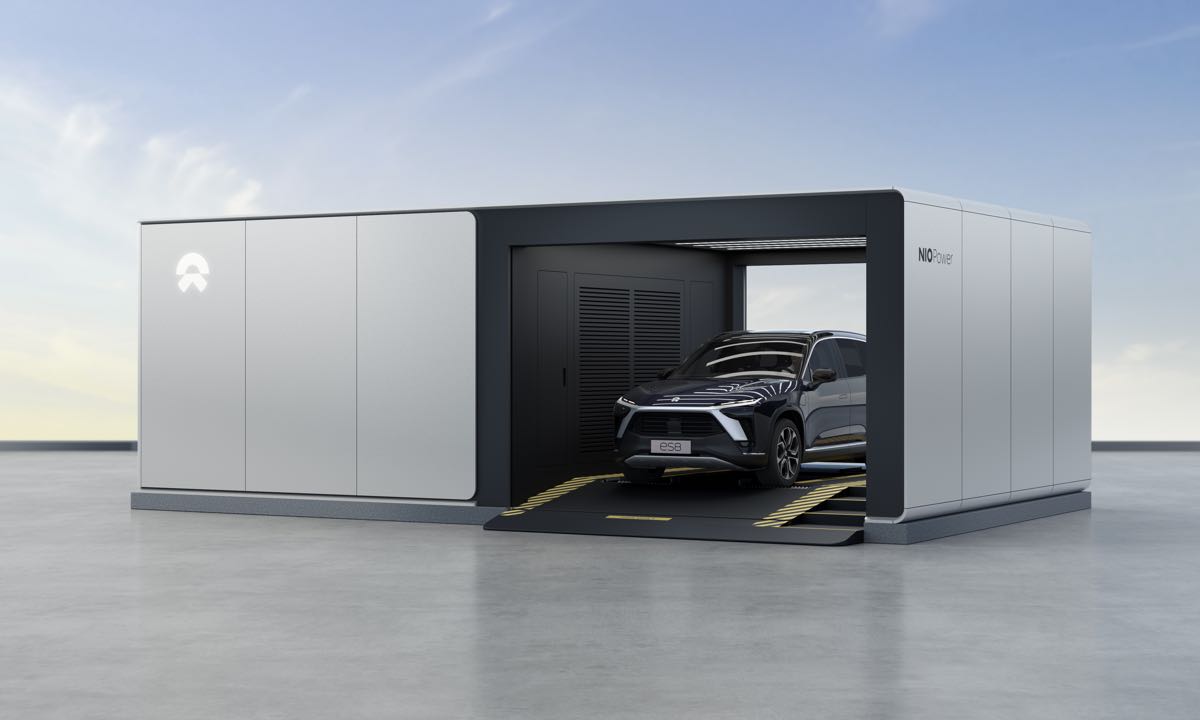
But Nio also sees these Power Swaps as an opportunity to enter the energy market. In China, the company wants to turn these stations into virtual power plants. A test has already taken place with 15 stations in the Hefei area. Which made it possible reduce the local operator’s energy demand by 1.4% in just one minute using the energy stored in the Swap Station’s batteries. Right now, this feature is only in the testing state, but the future should prove Nio right.
The electric car as a savior of the electricity grid
If many consumers are concerned about the impact of the electric car on electricity consumption, that is indeed a false concern. This emerged from a study by RTE (the French transmission system operator) a few months ago. According to the latter, French electricity consumption would increase by “only” 8% by 2035 due to the rise of the electric car. In the most optimistic scenario peak power demand (i.e. maximum instantaneous French consumption at the height of winter) would even decrease thanks to electric cars!
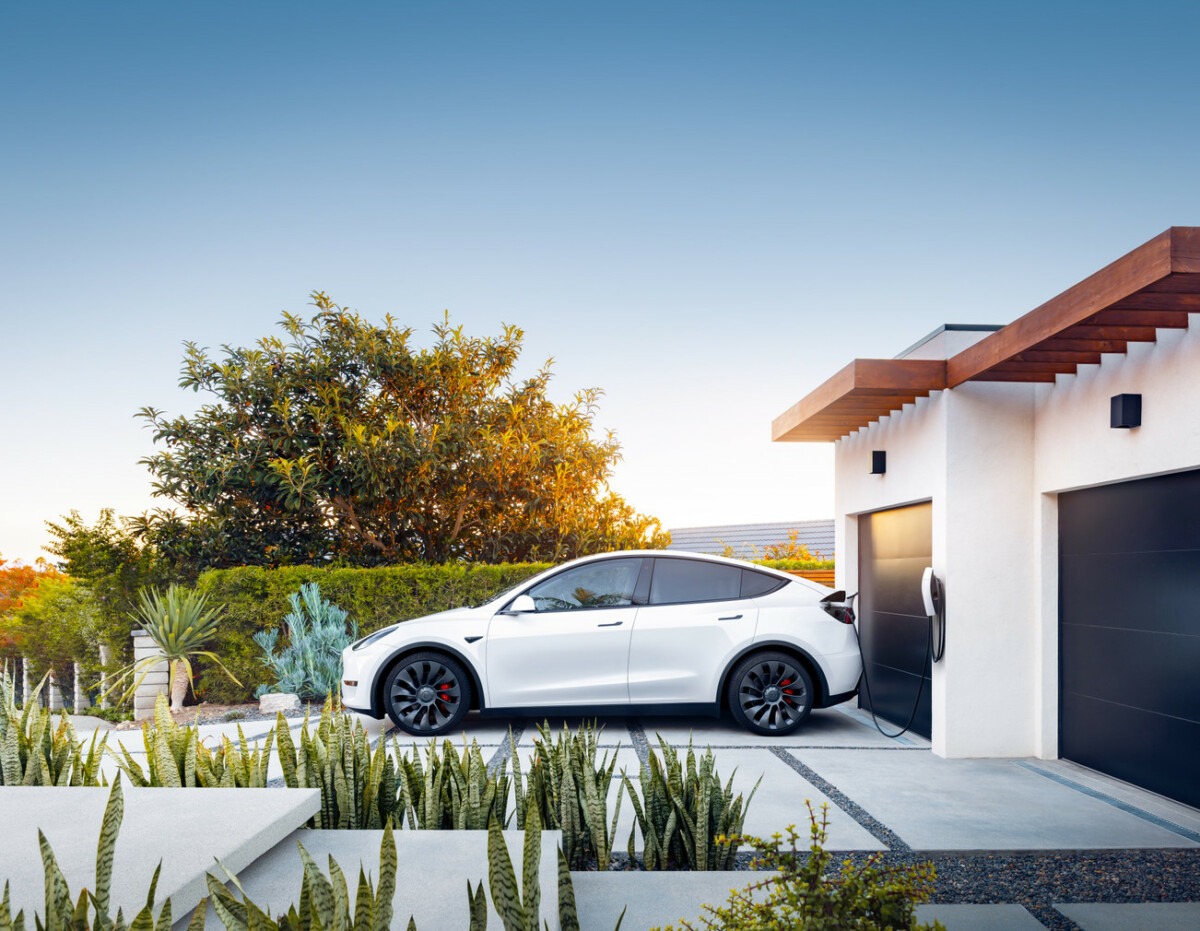
This is made possible by two mechanisms. The first, the simplest, is charging control. The cars charge when the network requests it, so outside rush hours. It should of course be possible to remove this restriction. The second, slightly more complex to implement, is based on V2G (vehicle-to-grid) technology that allows the car’s battery to be temporarily discharged (e.g. at night) to support the power grid.
In other words, electric cars (or rather their battery) will then be part of these virtual power plants. And right, Ford just started trials in Florida.
Ford is testing its F-150 Lightning as a virtual power plant
So Ford is embarking on the adventure of the virtual power plant and V2G (vehicle-to-grid) with its F-150 Lightning electric pickup, its large 131 kWh battery and its two-way charging. The idea is to use the pick-up battery when needed to send energy to the grid.
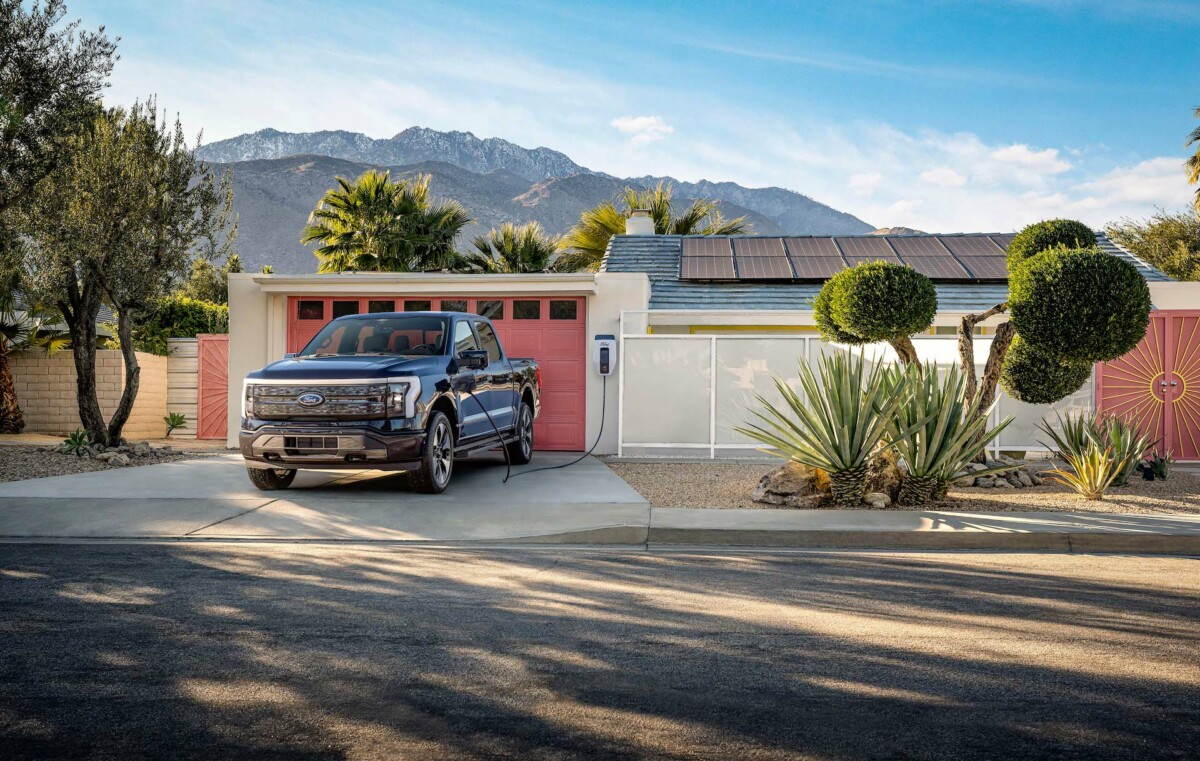
Remember, the F-150 is one of the few electric vehicles equipped with bi-directional charging. Similar to the Kia EV6, this feature allows the car’s battery to be used to power electrical appliances. The American pick-up is not limited to the maximum power of 3.6 kW of the Korean, but can deliver it a continuous power of 9.6 kWenough to power an entire home for several hours or days, depending on usage.
If the installation of your home allows it, you can already connect an electric car with two-way charging to power the house’s electrical circuit. But Ford wants to go further by powering the grid and not just the house. It is Duke Energy, an American energy supplier, that will try out this functionality. In short, the energy revolution is in full swing!

Is the electric car greenwashing or is it really a viable solution to reduce CO2 emissions? In this dossier we discuss the various environmental impacts of the electric car throughout the…
read more

To follow us, we invite you to download our Android and iOS app. You can read our articles and files and watch our latest YouTube videos.
Commentaires
Enregistrer un commentaire